The political agenda of United States President Donald Trump during his second term has generated a strong reaction from broad sectors of American society, especially among those who perceive a direct impact of these decisions on their daily lives. However, many of the central lines of his government were already present before his re-election.
Both domestically and internationally, his administration has shown a marked orientation toward unilateralism and the reaffirmation of the United States' role as a hegemonic power in the international system.
Immigration policies as central axis
Since the beginning of his second term, immigration policies have occupied a central place within Trump's political project, functioning as one of the main discursive and programmatic axes of the MAGA (Make America Great Again) movement.
In this framework, various sectors critical of the government argue that the official narrative has tended to present migrants as responsible for the country's structural problems, repeatedly associating them with insecurity, unemployment, and the deterioration of internal order.
The implementation of these measures has resulted in a hardening of immigration control, including large-scale deportations, Immigration and Customs Enforcement (ICE) operations, detentions questioned by human rights organizations, and reports of discriminatory practices based on skin color or ethnic origin.
Added to this is political discourse that, according to international organizations and specialized analysts, has contributed to deepening the stigmatization of migrant and Latin American communities. This context is key to understanding the emergence and magnitude of the demonstrations known as No Kings.
The October 18 protests
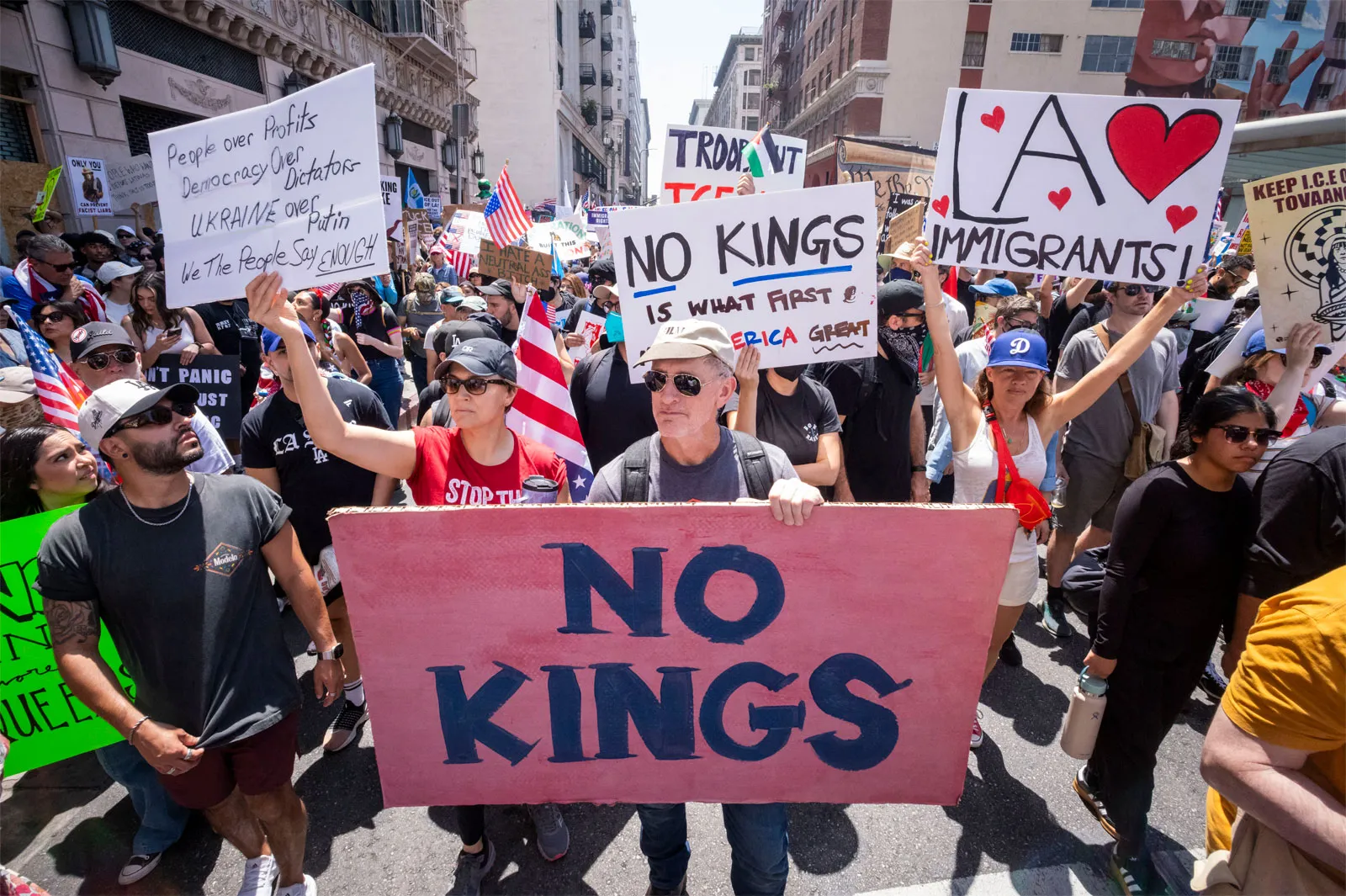
On Saturday, October 18, millions of people mobilized in different cities across the United States as part of these protests. Cities like New York recorded one of the largest turnouts, with around 100,000 demonstrators according to estimates from organizers and local authorities.
The No Kings movement began to take shape in February 2025 and, throughout the year, led two major national mobilization days. The first took place on June 14, a date that coincided with the 250th anniversary of the United States Army and President Trump's 79th birthday.
For many protesters, this coincidence symbolized a growing concern about what they consider an exaltation of executive power and an erosion of the traditional limits of the presidential office.
The meaning of No Kings
Rejection of personalist power
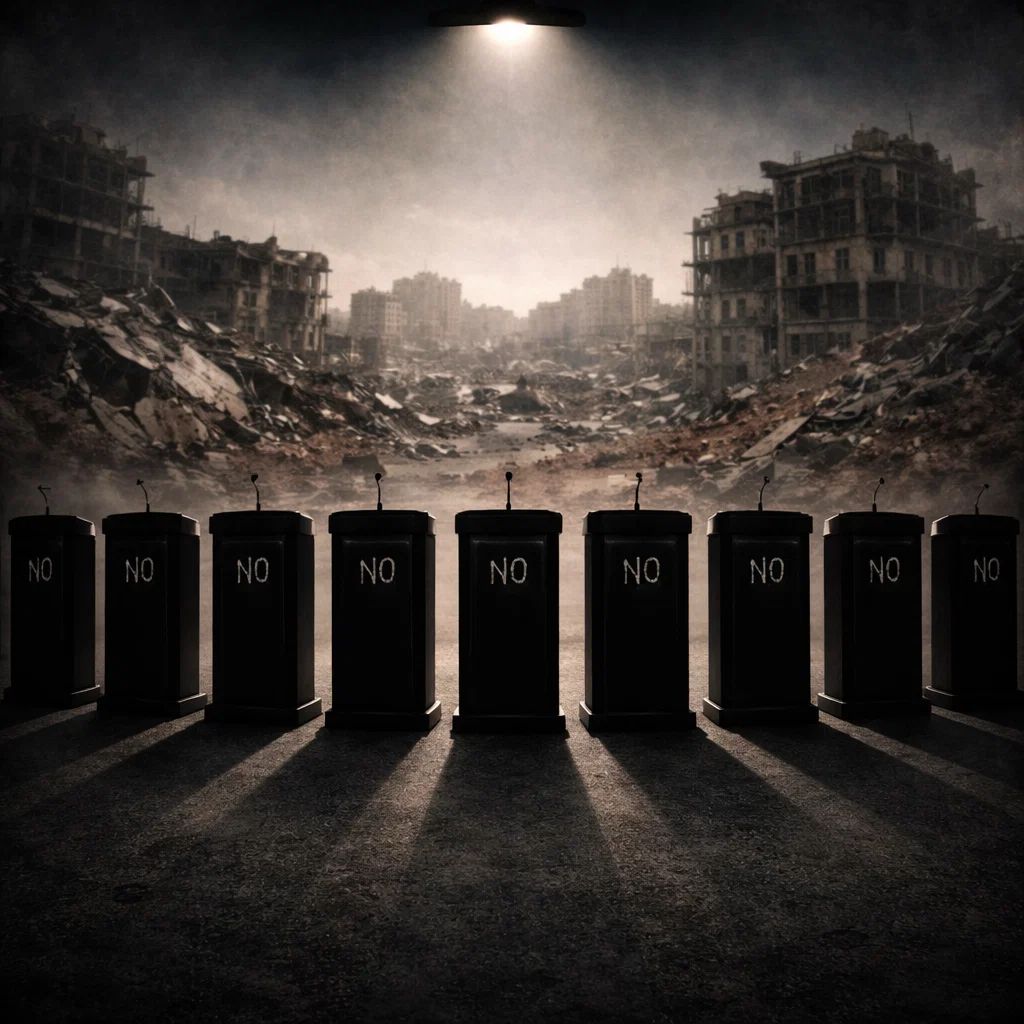
The slogan No Kings expresses the rejection of the idea of personalist leadership or concentration of power in a system historically defined as republican and democratic.
From the perspective of organizers and participants, the movement seeks to denounce a series of governmental practices they consider incompatible with democratic principles, such as the weakening of institutional controls, the intensive use of federal forces, the militarization of urban spaces, and the justification of exceptional measures in the name of national security.
Among the most cited examples are the deportations carried out in the first months of the presidential campaign, immigration raids conducted by ICE, and the treatment of people detained without clear judicial processes.
Peaceful and cultural character
The protests took place mostly peacefully and adopted a broad social and cultural character. Families, activists, and citizens of different backgrounds demonstrated with signs, music, and artistic expressions.
Among the groups that accompanied the marches was Los Jornaleros del Norte, a band formed in California by migrant workers that uses music as a tool for denouncing and making visible the experiences of Latino communities in the United States.
Administration's response
The Trump administration's responses to the demonstrations generated new controversies. One of the most discussed reactions was the publication, on the social network Truth Social and Instagram, of a series of AI-generated videos depicting the president with symbols associated with monarchy and making mocking gestures toward protesters.
These publications were widely criticized by different political and social sectors, both nationally and internationally, as they were considered a dismissal of citizen demands.
Along the same lines, White House Press Secretary Karoline Leavitt described the Democratic Party base as consisting of "Hamas terrorists, illegal immigrants, and violent criminals," statements that deepened the climate of political polarization and reinforced accusations of delegitimizing dissent.
International repercussions
The Trump administration's domestic policies have had repercussions beyond U.S. borders. Various analysts point out that the hardening of the government's discourse and actions has contributed to generating uncertainty in the international system.
Statements by the president about the conflict between Israel and Palestine, as well as military deployments in the Caribbean under the narrative of the "war on drugs," have been interpreted by some governments as signs of a more confrontational foreign policy.
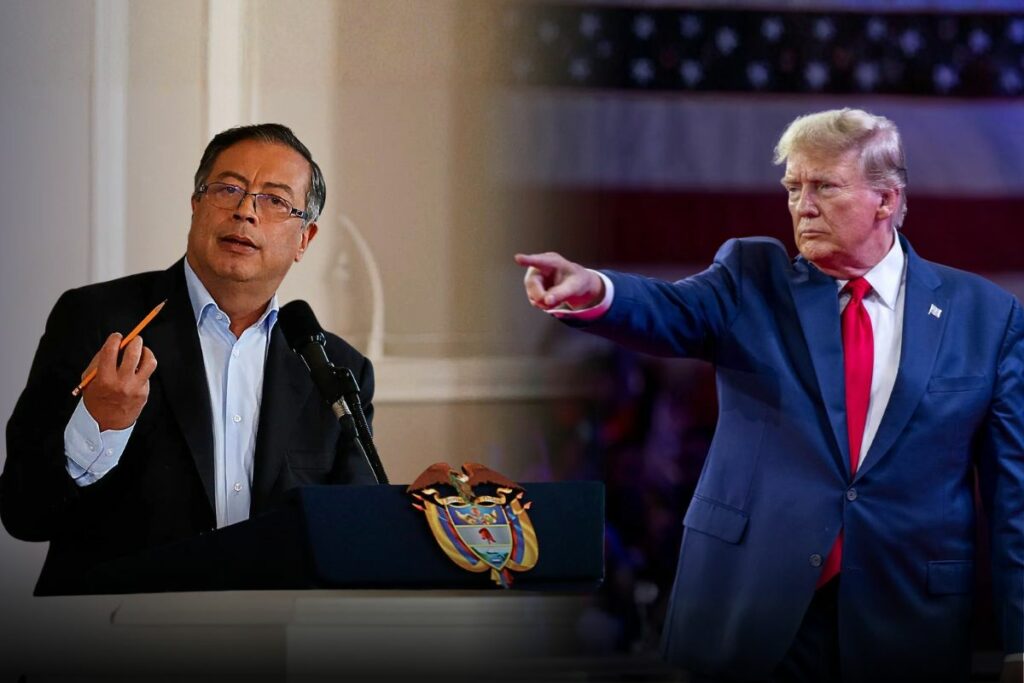
Likewise, diplomatic clashes with Latin American leaders such as Nicolás Maduro and Gustavo Petro reflect a foreign policy style based on public pressure and threats, which has led certain countries in the region to rethink their relationship with the United States and explore new alternatives for cooperation and regional integration.
Conclusion
The No Kings movement reveals a climate of growing concern in broad sectors of American society regarding the state of their democracy. Beyond ideological differences, the demonstrations reflect a deep debate about the limits of executive power, respect for human rights, and the role of the United States both domestically and internationally. The future of the American political system, as well as its global positioning, will largely depend on the ability of its institutions and citizenry to channel these tensions within democratic frameworks. In this sense, No Kings presents itself not only as a specific protest but as a symptom of a broader discussion about leadership, power, and democracy in the 21st century.