In the days following the military operation carried out by the United States in Venezuela, under the order of its Commander-in-Chief Donald Trump, the president has issued a new warning. This time directed at Greenland, an island located in the Arctic, which despite being one of the least densely populated countries in the world with 52,000 inhabitants, is positioned at a strategic point for current world powers.
During his first term, Trump had already suggested purchasing Greenland, an offer that was automatically rejected. The island responded "Greenland is not for sale." Yet to this day, Trump continues to insist.
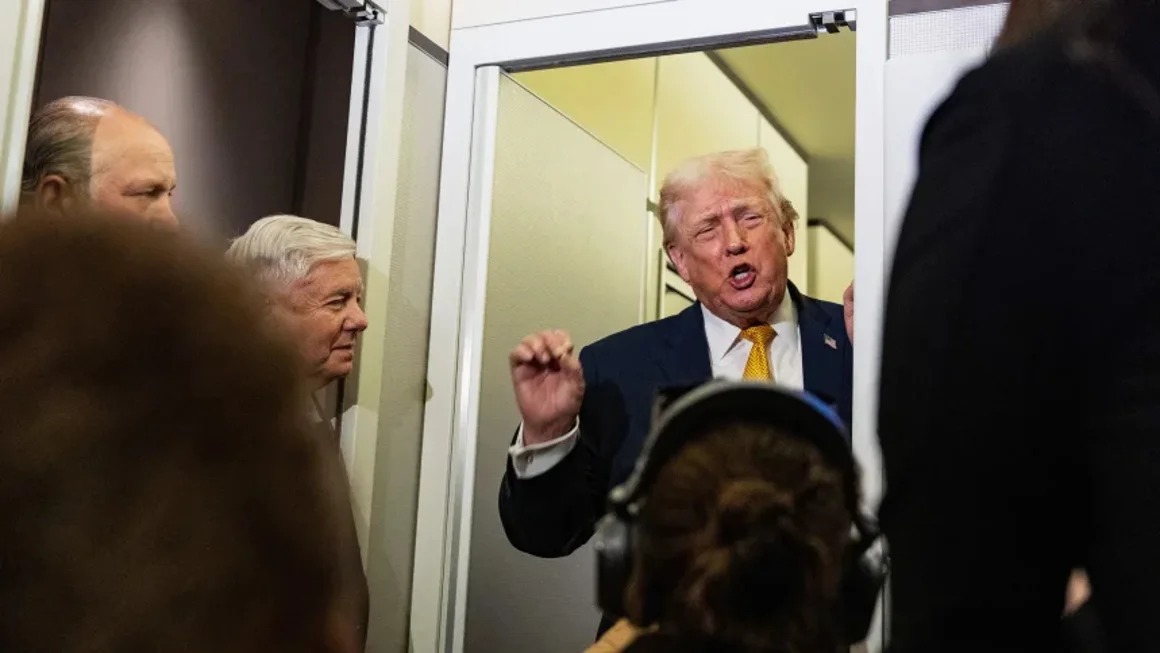
"We need Greenland from the standpoint of national security and international security. Greenland is covered with Russian and Chinese ships everywhere. We need Greenland and Denmark is not going to be able to handle it."
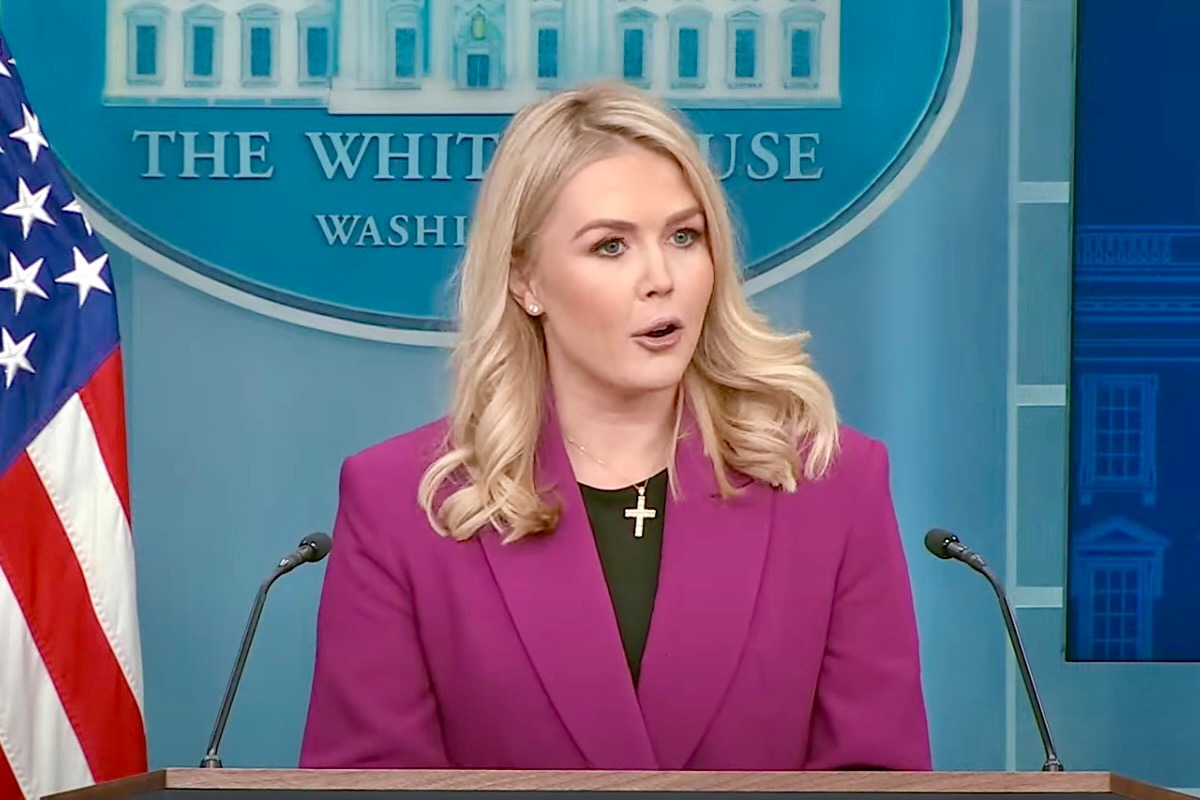
That same day, Karoline Leavitt, White House Press Secretary, reiterated the U.S. government's intentions regarding the Arctic island. She also added that the possibility of using military force is not ruled out.
"Acquiring Greenland is a matter of national security for the United States and is fundamental to deterring our adversaries in the Arctic region."
The Strategic Importance of Greenland
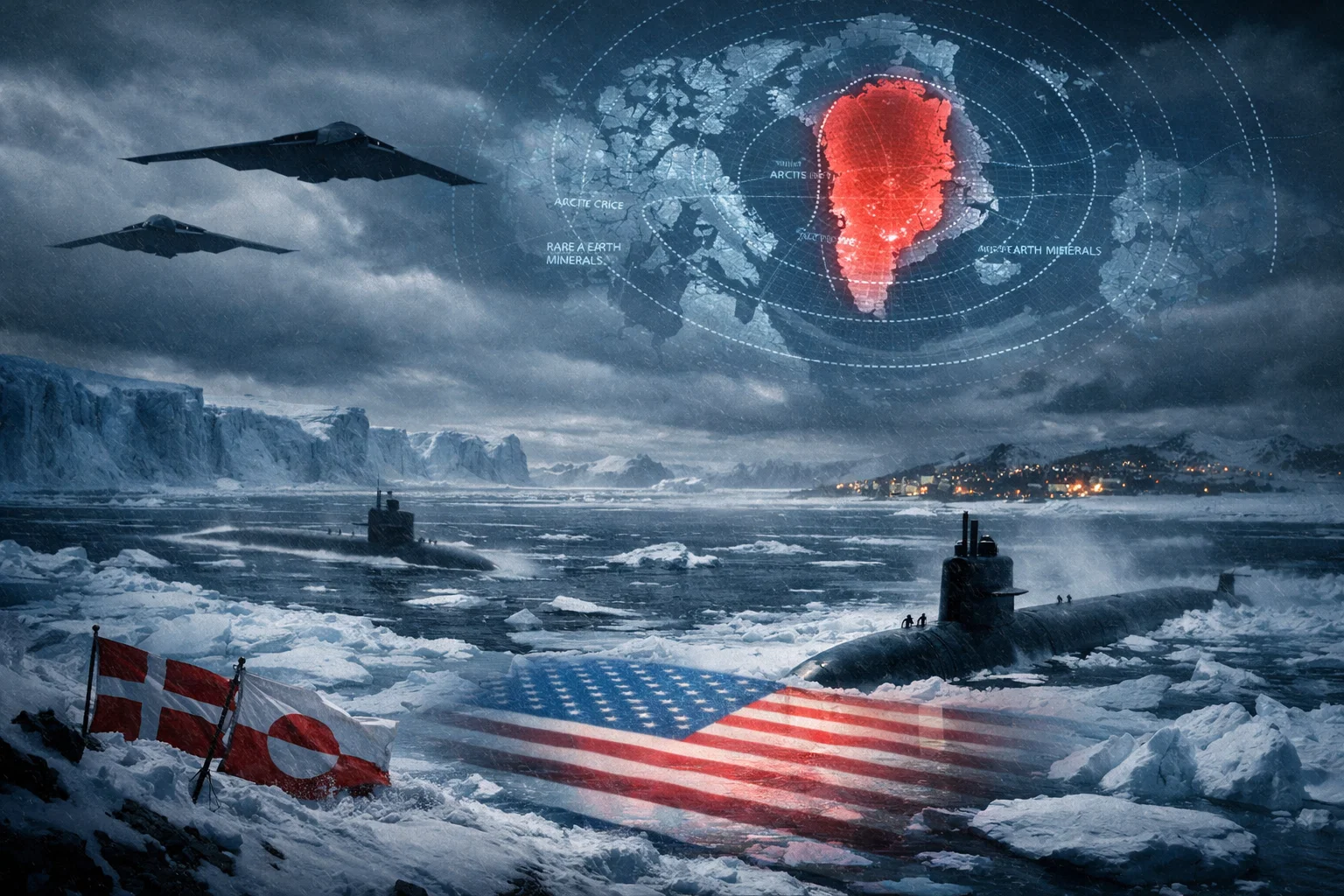
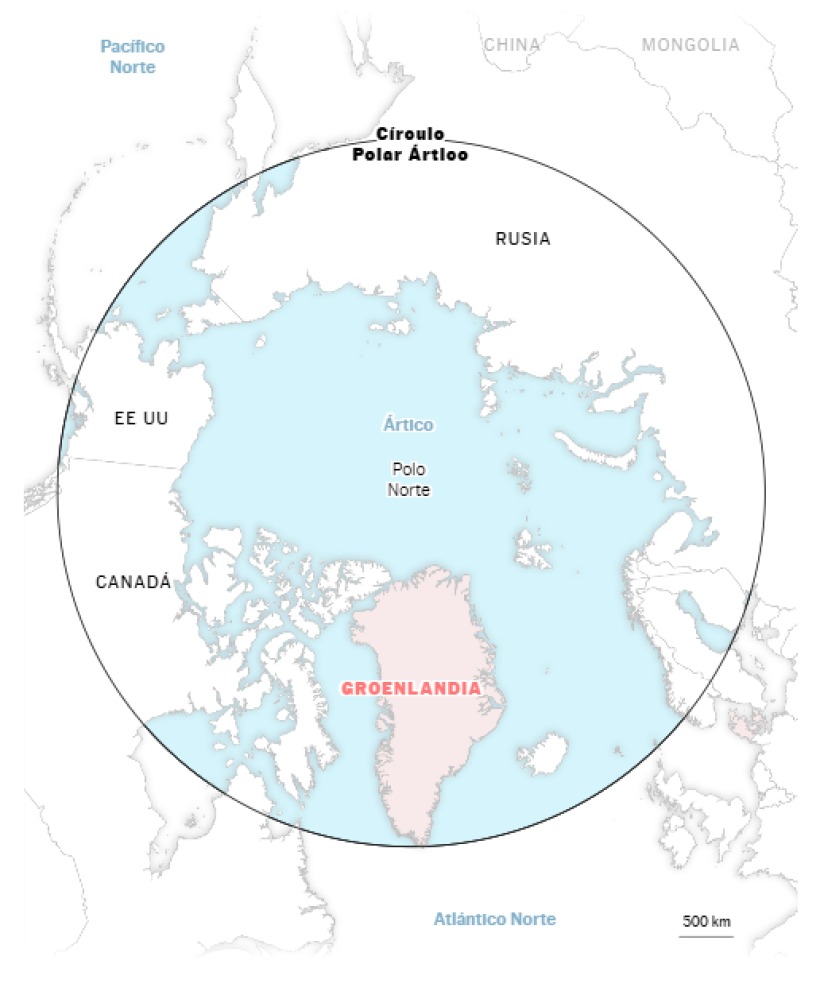
To understand Greenland's strategic importance for the United States, it can be analyzed from three perspectives. In terms of security, the island is located at a point of great interest to the North American country, as it divides the United States from Europe and Russia, suggesting it could be an ideal location for military bases and naval presence. Currently, the Pituffik Space Base (formerly Thule Air Base) houses approximately 150 U.S. service members permanently.
Secondly, and this is quite common when the U.S. includes a country on its wish list, are natural resources, with Greenland being very rich and abundant in oil, gas, and rare earth metals, minerals crucial for manufacturing electric vehicles, wind turbines, and military equipment.
Finally, there are the strategic maritime routes that, following the melting of Arctic ice due to the climate crisis, are opening new navigation pathways. The island sits adjacent to the so-called GIUK Gap, a naval choke point between Greenland, Iceland, and the UK that links the Arctic to the Atlantic Ocean.
International Reactions
In response to the statements issued by the U.S. government, reactions from European countries and of course from the island were forceful. Danish Prime Minister Mette Frederiksen warned that a U.S. attack on Greenland would mark the end of NATO.
"Greenland belongs to its people. It is up to Denmark and Greenland, and only them, to decide on matters that concern them."
A New World Order in Question
2026 has begun with news that many people never expected to experience firsthand. The fall of Dictator Nicolás Maduro had a monumental impact and undeniable joy in the hearts of all Venezuelans who for more than 20 years had been suffering the consequences of a regime that had been responsible for nullifying democracy and the hope of a better life for its entire population. At the same time, it generated strong rejection in the international community that it was the product of foreign military intervention and that, moreover, this represents a direct threat to all of Latin America.

Conclusion
With the new threat to countries like Colombia, Mexico, and Greenland, the door opens to new uncertainties about the future of the International System and the multipolar order that had governed us since the Cold War ended with the fall of the Soviet Union and the Berlin Wall.
Is this a sign that the international order is being reconfigured?