This Wednesday, January 7, a demonstration was held across the country, called on Monday by Colombian President Gustavo Petro. The main slogan issued by the president was "Colombia is free and sovereign."
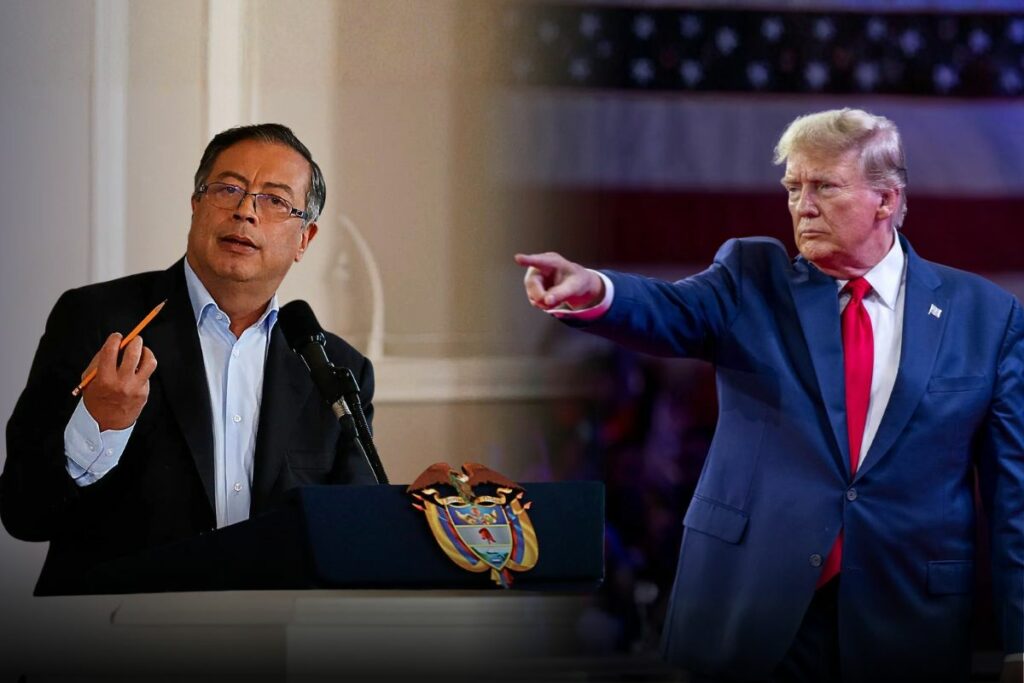
The call was made following the not-so-controversial statements by U.S. President Donald Trump about a possible military operation in Colombia, justifying himself by saying that "The country (Colombia) and its president were sick" and accusing Gustavo Petro of "having cocaine factories and selling it to the United States."
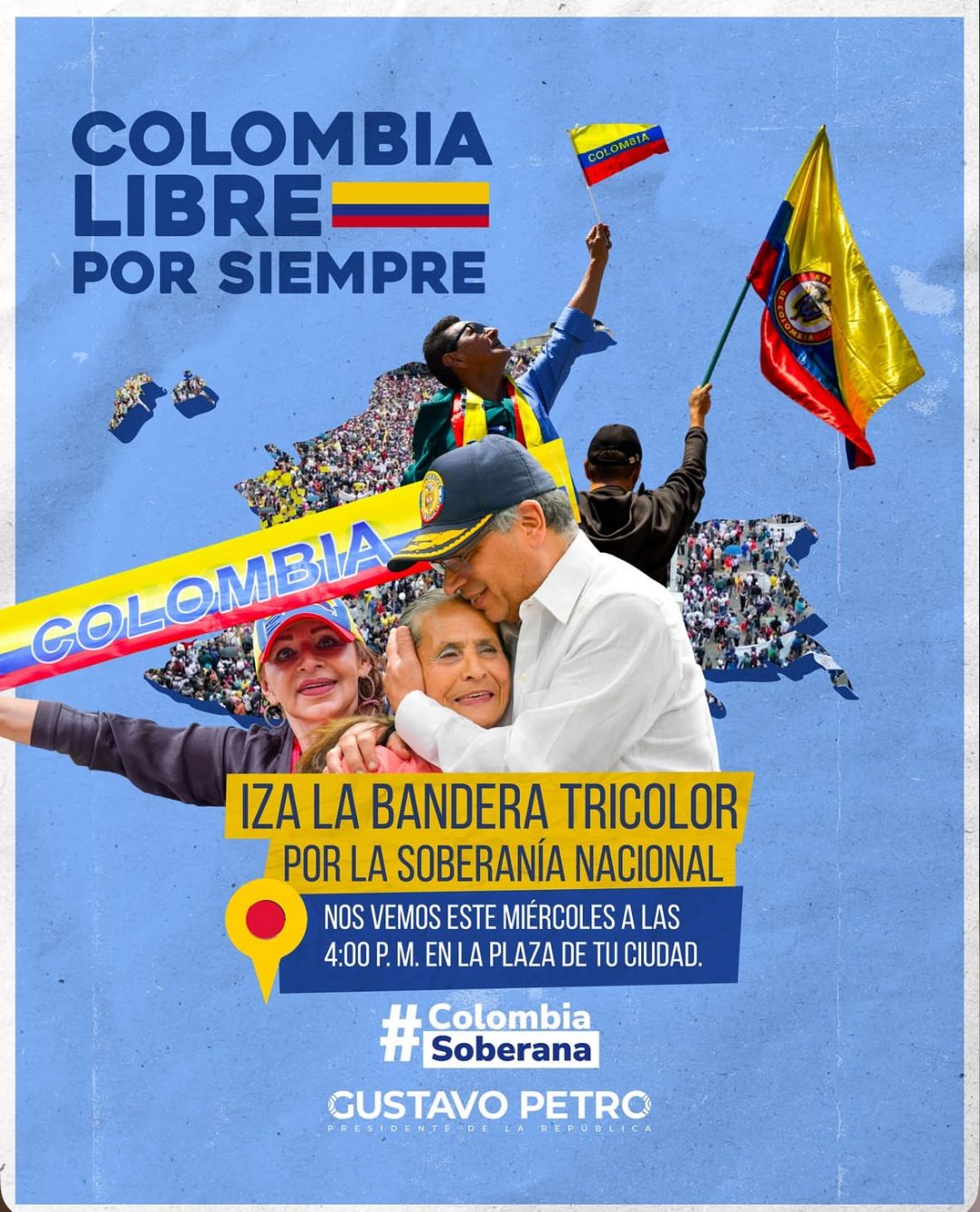
Facing an already delicate situation at the regional and international level, with the events that occurred in the Venezuelan capital, Caracas, on January 3, the reaction of both the President of the Republic and the Colombian people themselves were firm and sustained: "Colombia must be respected," they were not going to allow any type of foreign intervention like the one deployed in the neighboring country.
Development
At 4pm Colombian time, citizens gathered in different parts of the country. Through his X account, the president shared a series of photos showing the crowds united in cities such as Bogotá -where the president would be giving his speech-, Medellín, Cali, Barranquilla, Villavicencio, Popayán, Neiva, and Bucaramanga.
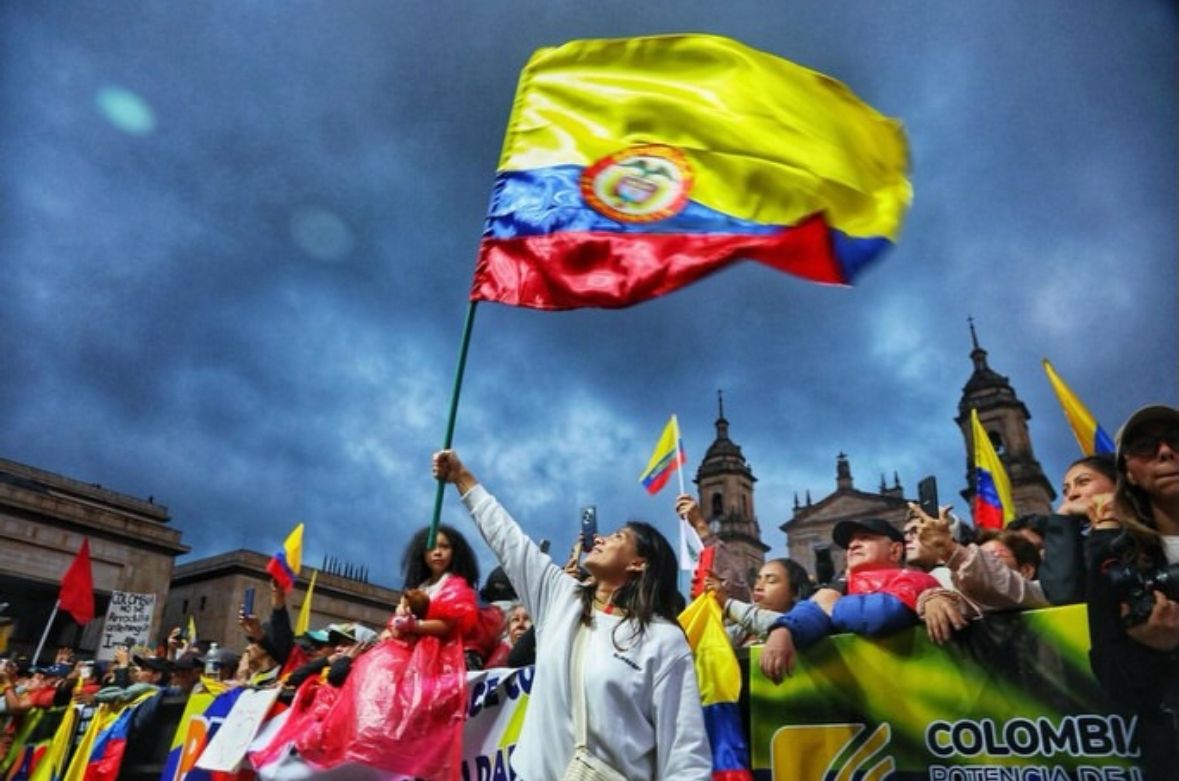
In a tense climate where sovereign and democratic peoples live threatened by the new "Monroe Doctrine," Colombia experienced a warm day where protesters waved their tricolor flag, dressed in white and with signs that sent messages to Trump and his government. Among them stand out: "We are not a colony," "Want to find cocaine? Ask the CIA and Gary Webb (1997)," "Don't stop talking about the Epstein files," "Petro is not alone."

These messages can be interpreted as a deep weariness of the peoples of Latin America, where subjugation, plunder, and interference by foreign powers have pierced the heart of our territories for a long period in history since the colonization of the Americas. The population urgently calls for respect for the principle of self-determination enshrined in international law.
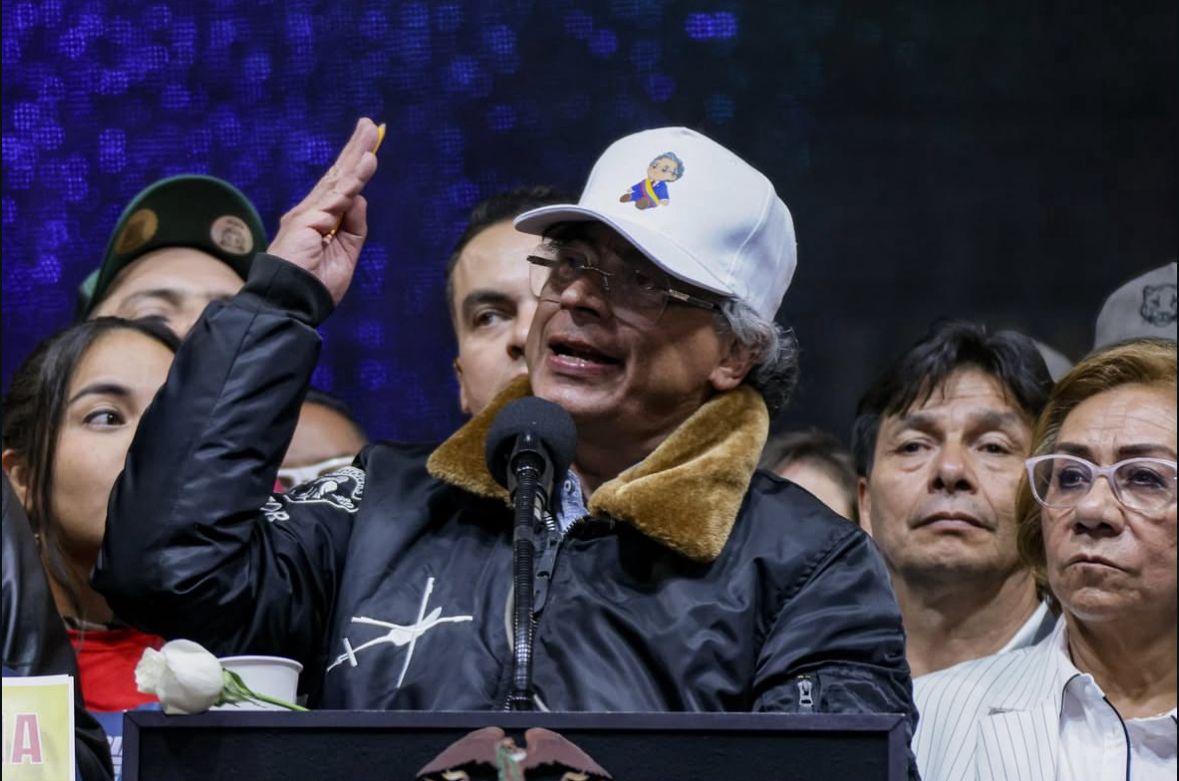
However, Petro's speech had last-minute changes, confessing in Plaza de Bolívar that he had prepared some words which he had to modify due to a call with President Donald Trump that same day. This surprised the protesters, who expected a harsh speech from Petro condemning Washington's threats, but which ended up being a summary of the conversation held by the presidents.
Conclusion
The call between Petro and Trump raises new questions for the international community. Is this the step that was needed to resolve the differences between nations, one that does not include bombings or weapons, but diplomacy and cooperation?
This will be known after Gustavo Petro's visit to Washington D.C., following the formal invitation from the U.S. president.